Damerower Werder European Bison Reserve: Safari Feeling on the Kölpinsee
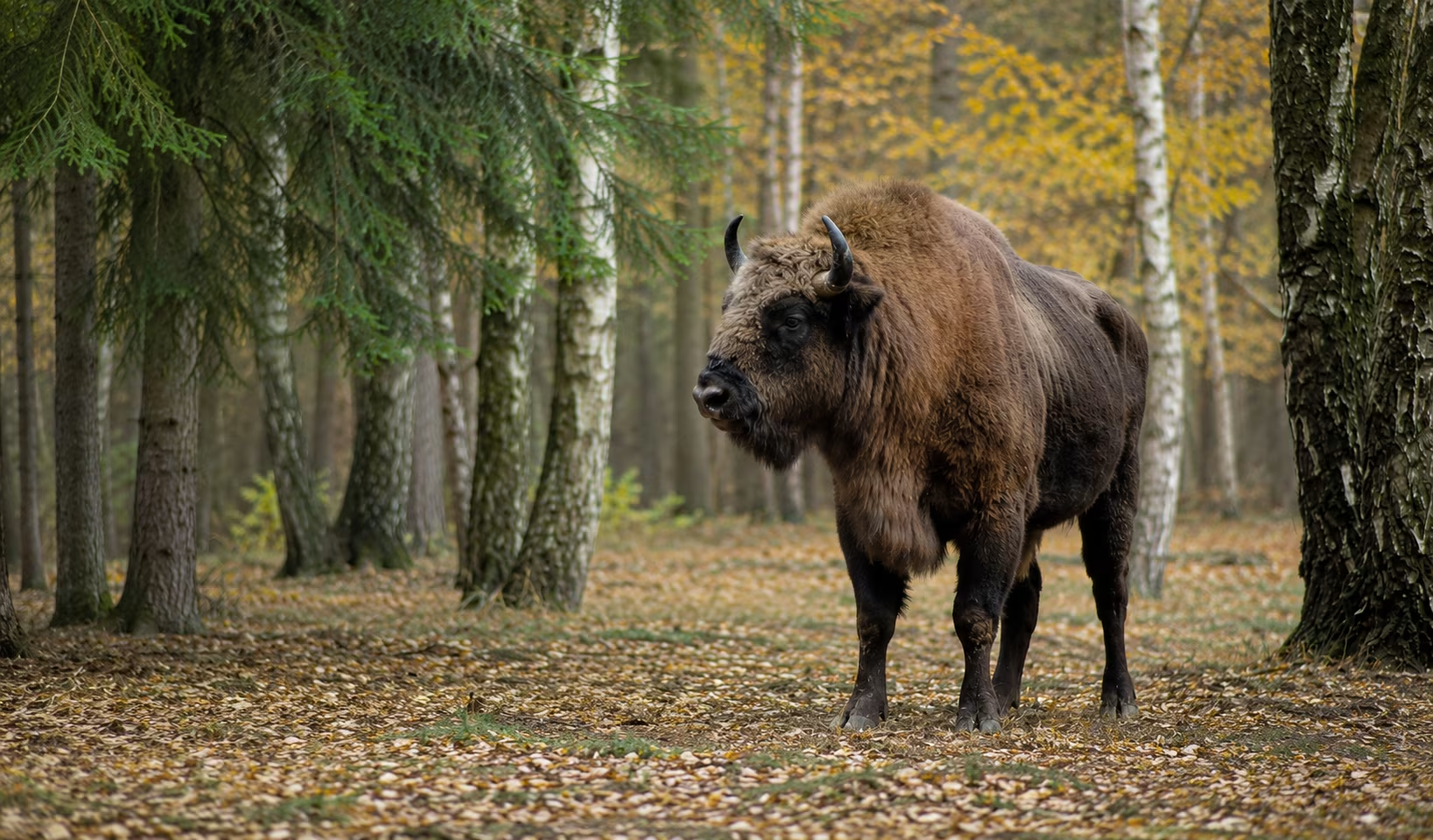
A snort in the undergrowth, the crack of a branch – and then a shaggy colossus pushes out from between the pines: up to a ton in weight, nearly two meters at the shoulder, with dark, alert eyes. European bison, Europe’s largest land mammals, were once considered extinct in the wild. At the Damerower Werder European Bison Reserve, on a wooded peninsula in the Kölpinsee directly opposite Jabel, they have lived since 1957 – and a visit really does feel like a little safari, right in the heart of Mecklenburg. We show you why the trip is worth it and how to make the most of it. It comes pretty close to a genuine safari feeling.
Top 5 reasons to visit the European Bison Reserve
1. The feeding show: giants within touching distance
The goosebump moment par excellence: during the daily feeding show, the bison come within just a few meters of the visitor platform. You can hear them snort, chew and paw at the ground with their hooves – and only in that moment do you truly grasp how mighty these animals are. No fence panorama from a hundred meters away, but real closeness to wild giants. Meanwhile, the keepers share stories from the herd’s daily life: who is currently in charge, which calf is new, and why bison are gentler than their stature suggests.
2. A conservation success story
At the beginning of the 20th century, the European bison was extinct in the wild – worldwide, only a few dozen animals survived in zoos and enclosures. That thousands of bison once again roam European forests today is thanks to breeding stations like the Damerower Werder: since 1957, animals have been raised here and placed into rewilding projects across Europe. The small on-site exhibition tells this story impressively – and, along the way, turns the visit into a lesson in what conservation can achieve when given time.
3. The peninsula itself: forest, water, open space
The Damerower Werder juts far out into the Kölpinsee as a wooded peninsula – a natural idyll of old pines and beeches, quiet shores and paths where you often won’t meet a soul for a long while. Even the approach across the narrow causeway sets the mood for the experience: water on the left, water on the right, forest in between. Anyone with time to spare after the bison visit can stroll along the shore and keep an eye out for white-tailed and osprey eagles circling above the Kölpinsee.
4. Perfect for children
Short paths, giant animals, exciting stories: for little explorers the reserve is like a picture book you can touch – only more impressive. The feeding show is exactly the right length for children’s attention spans, the platform offers a clear view even for the smallest visitors, and the question “How heavy is it?” is answered patiently by the keepers for the hundredth time. Many families combine the visit with a swimming break at the Kölpinsee – keeping the day relaxed logistically, too.
5. Arriving by water
The European Bison Reserve is one of the few day-trip destinations in Germany that you can reach in true style by canoe: from the Jabelscher See you paddle through the canal into the Kölpinsee and then along the wooded shore of the peninsula – eagles overhead, a kingfisher in the reeds, and with a bit of luck a brown back really does shimmer between the trees. Boats, canoes and SUPs are available at the water sports rental in Jabel – the tour is easily doable for occasional paddlers, too.
Book camping, rental caravans & a marina berth
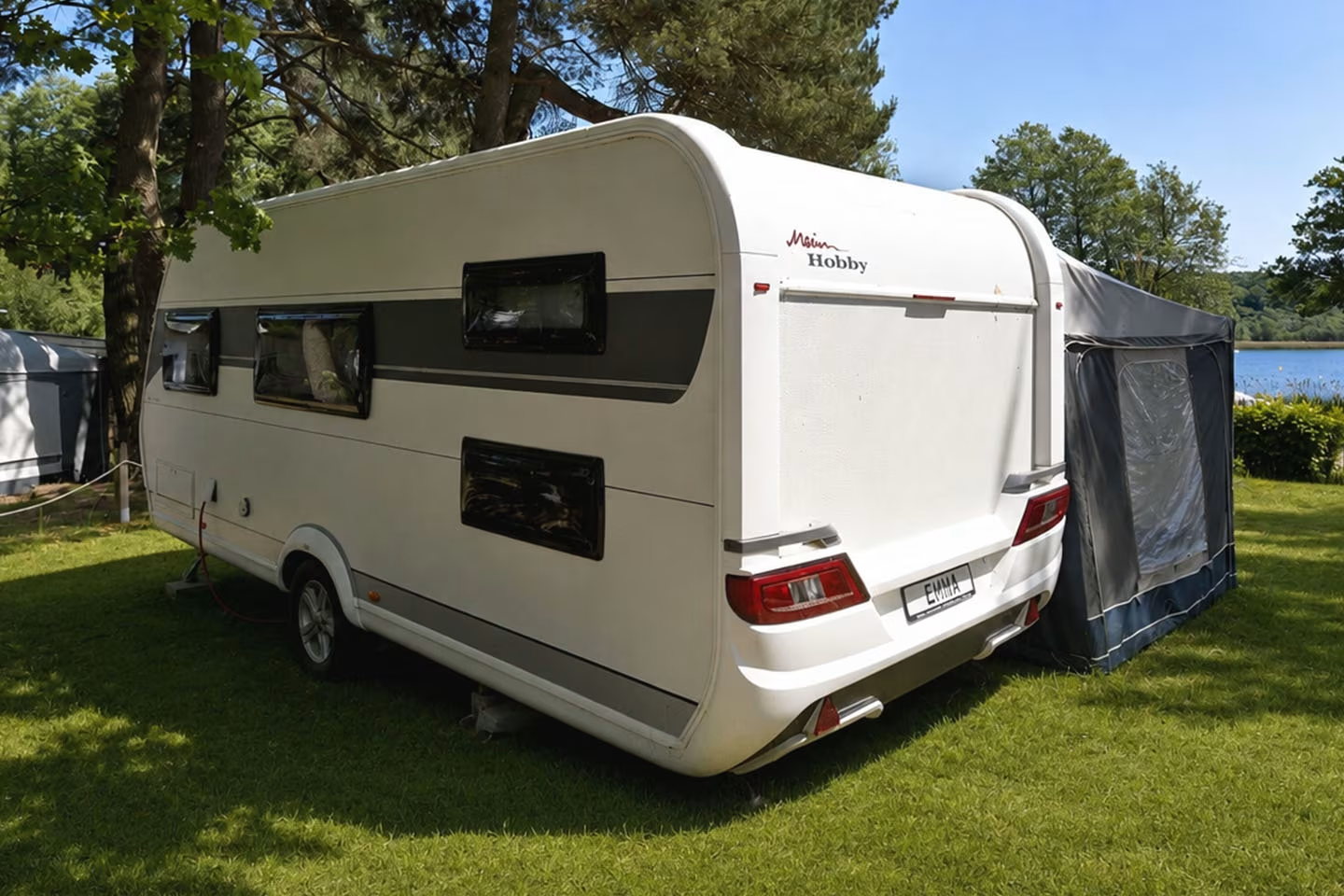
Caravan, motorhome, camper van & tent
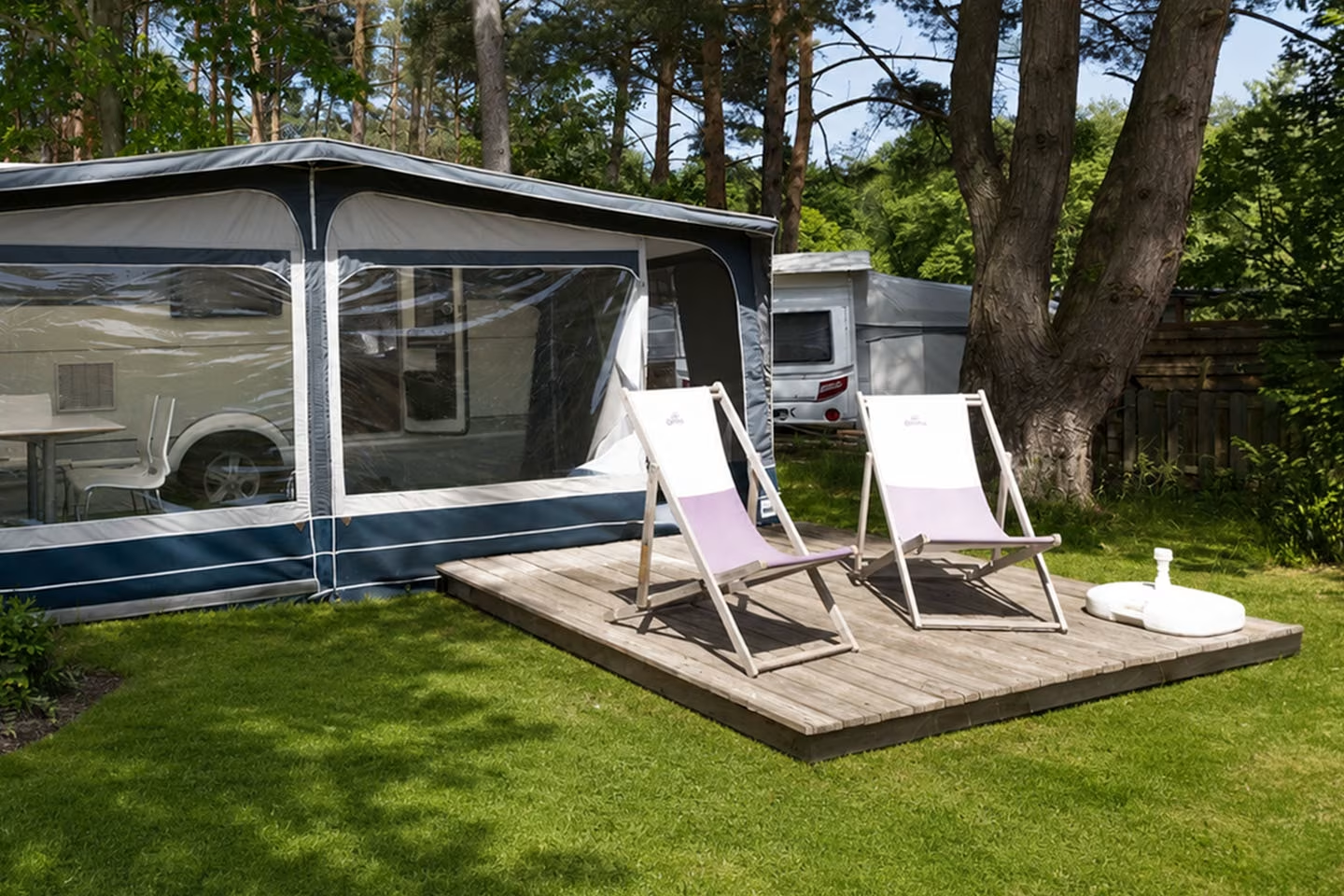
For up to 5 people
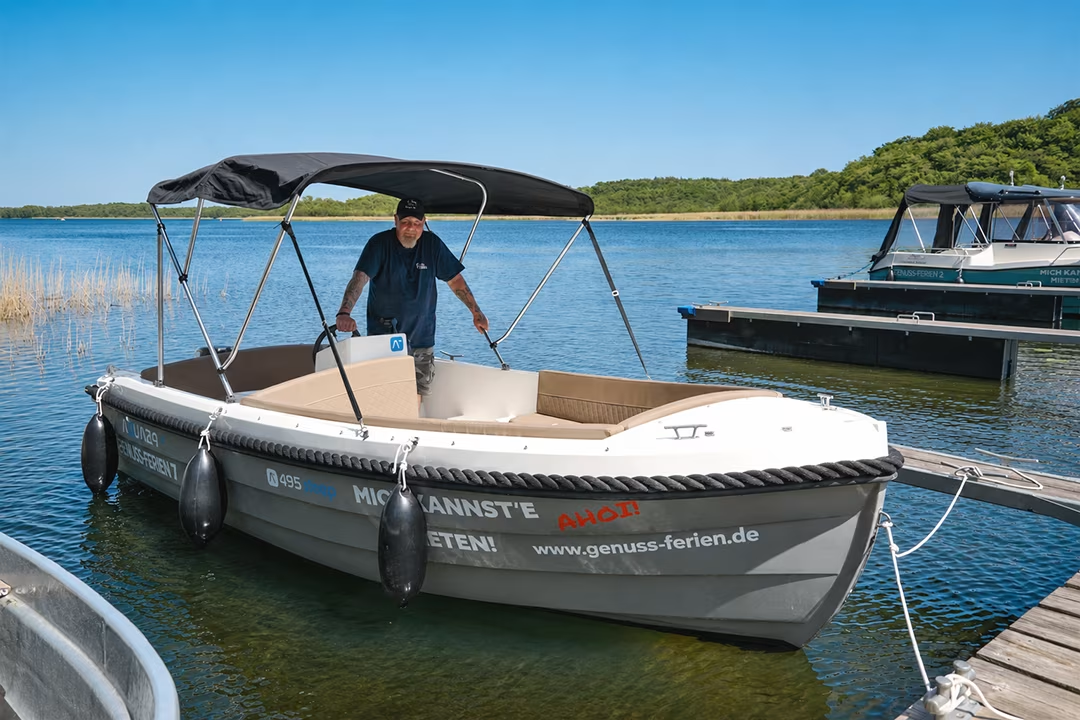
2-4 people, furnished
The European bison: profile of a survivor
Let’s start with the numbers children want to know first: a full-grown bison bull tips the scales at up to 900 kilograms – as much as a small car – and stands nearly two meters tall at the shoulder. Cows, at around half that, are considerably daintier. And yet bison on the Kölpinsee move through the forest astonishingly quietly and nimbly; anyone who sees one vanish into the undergrowth can hardly believe that nearly a ton just passed by.
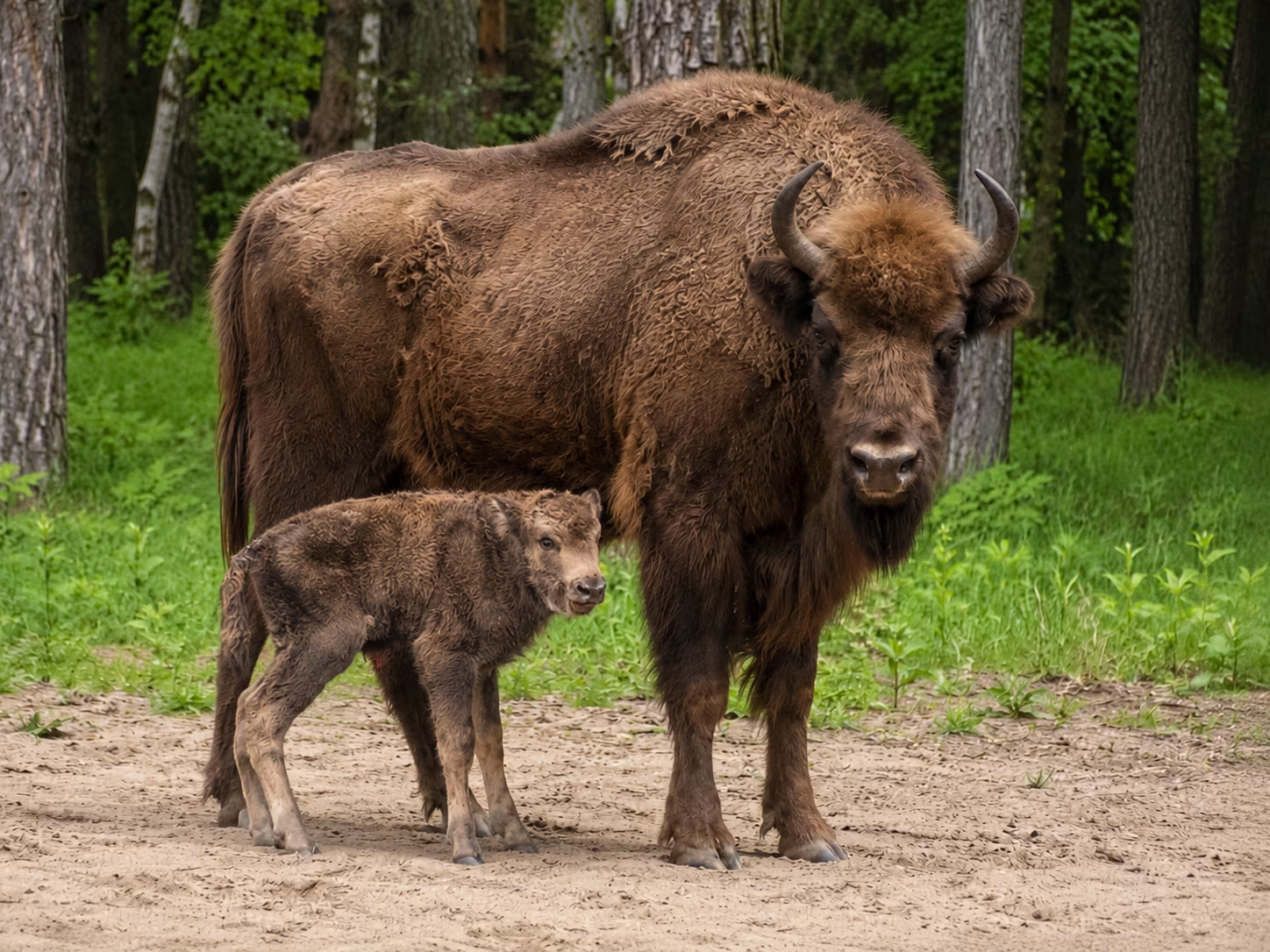
The ancient wild cattle once lived across all of Europe, from France to the Caucasus – cave paintings show them alongside the mammoth and the aurochs. But centuries of hunting and vanishing forests all but sealed their fate: the last free-living European bison was shot in the Caucasus in 1927. At that point exactly 54 animals remained worldwide, scattered across zoos and private enclosures. A species can hardly come closer to the end.
What happened next is one of the great comebacks in conservation history: from these 54 animals, unprecedented breeding and rewilding work built up a population of once again several thousand bison today, roaming the forests of Poland, Romania and the Carpathians. Stations like the Damerower Werder played their part in this. So anyone standing face to face with the animals here is not simply looking at a large wild ox – but at living proof that species conservation works.
Good to know: planning your visit
The bison enclosure is looked after by the Landesforst Mecklenburg-Vorpommern – and things here are correspondingly low-key and close to nature, pleasantly far removed from any theme-park character. The feeding shows take place daily during the season; the current feeding and opening times as well as admission prices are published by the Landesforst at wald-mv.de. Our advice: plan your visit around the feeding – then a bison sighting is practically guaranteed.
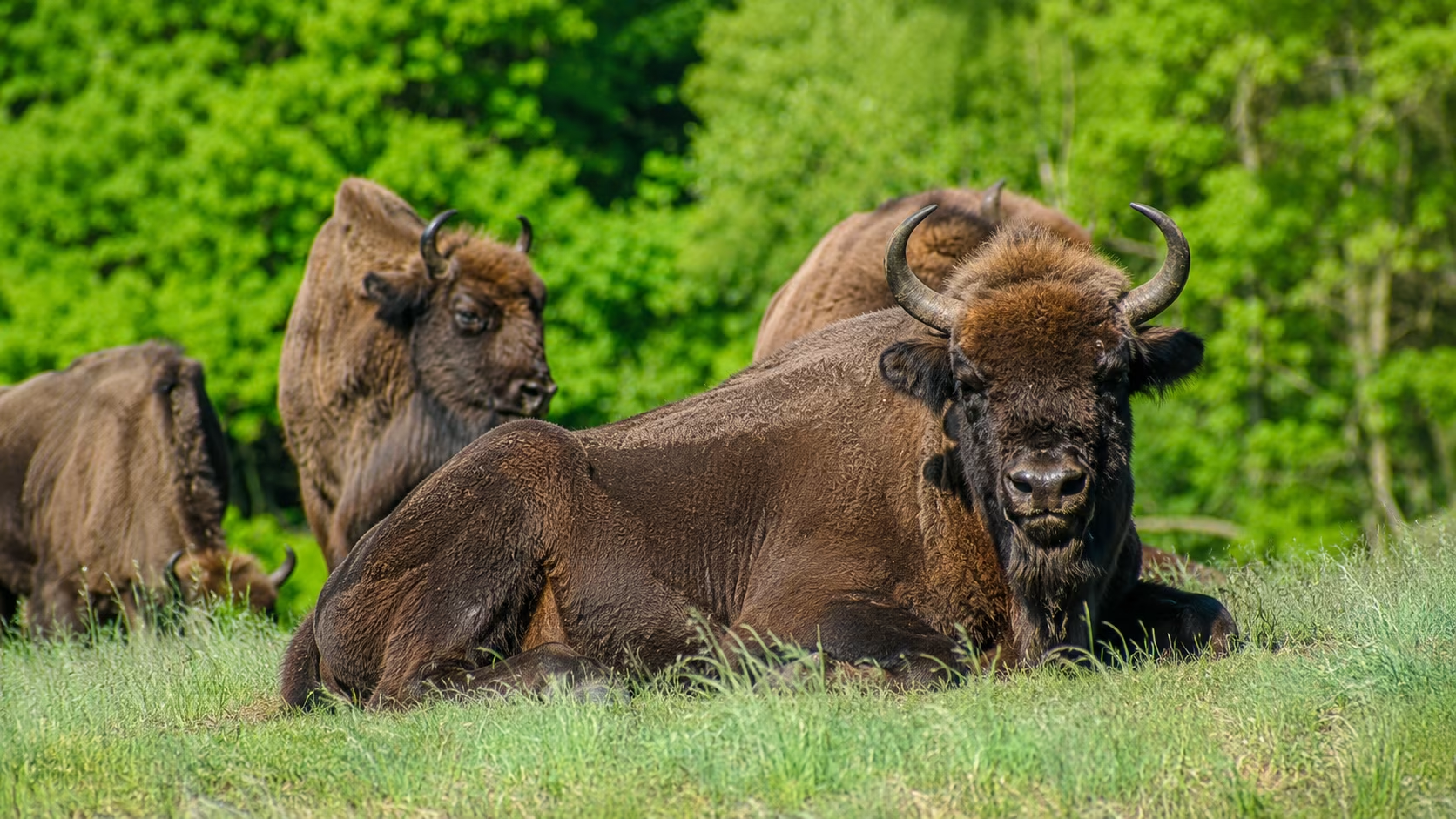
For the visit itself, around two hours is enough, more if you add a walk along the shore. Sturdy footwear is comfortable on the forest paths, binoculars increase the chances of bonus sightings from eagle to woodpecker, and the camera should be within reach. Photographers are best off bringing a telephoto lens or the phone zoom: the soft morning light on the clearings makes the animals’ shaggy outlines positively glow.
One more note that matters: dogs are better left back at your accommodation. The bison react sensitively to them, and visiting with a four-legged friend is not permitted – for good reason, the reserve makes no exceptions here. It’s best for the family to split up: one half visits the bison, the other stays at the swimming beach with the dog. On the next visit, you swap.
Our tip: the perfect bison day
Our favorite version is the trio of paddling, bison and beach. In the morning you climb into your canoe in Jabel and set course for the canal: a leisurely half hour through still water, past reed belts rustling and chirping with life. Once you reach the Kölpinsee, you follow the wooded shore of the peninsula – and here, at the latest, the first eagles usually keep you company.
At midday you then experience the feeding show at the reserve and afterwards take time for the exhibition on the history of the bison’s rescue – it is compact but impressive and gives the experience its context. On the way back, a stop at one of the swimming spots on the Kölpinsee is worthwhile: water, a picnic, perhaps a short nap in the shade.
Anyone who prefers to keep firm ground underfoot takes the bike instead of the canoe: the short bike tour from Jabel to the peninsula is done in a good half hour and is easily manageable with children too – swimming spots conveniently lie along the way. And the evening then belongs once again to the Jabelscher See: swimming, grilling, campfire bread, sunset. A good day needs no more of a program than that.
Staying opposite the bison peninsula
You can’t get any closer: our nature and beach campsite in Jabel sits on the water practically opposite the Damerower Werder. Bison in the morning, a natural beach in the afternoon, pizza on the restaurant terrace with a lake view in the evening – there are no highway miles between the highlights here, just a short barefoot walk across the site.
Your canoe for the tour to the peninsula waits right at the jetty, and anyone arriving with their own boat will find a berth in the marina with power and water. Where you spend the night is entirely up to you: in a tent or motorhome in the front row by the water, in a comfortable rental caravan, or in one of our holiday homes in Jabel and Nossentin.
That’s how a trip to Europe’s giants becomes a real nature weekend – with eagles circling over breakfast, bison at midday and a frog chorus to fall asleep to. And should you want to meet even more wild neighbors afterwards: the Müritz National Park with its eagles and cranes awaits just around the corner.
Our restaurant: good food with a lake view
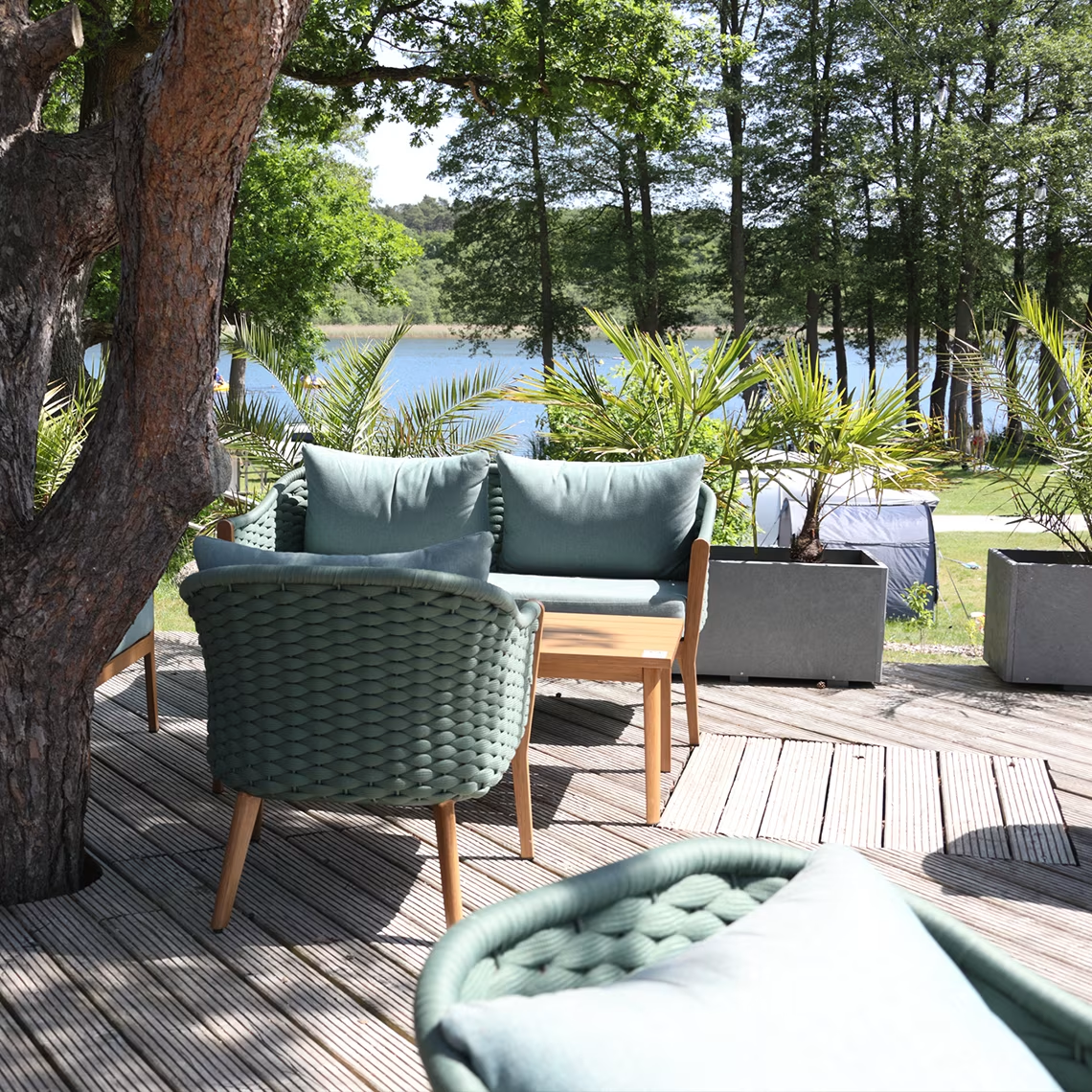
Linger on our lovely terrace with 120 seats and a direct view across the Jabelscher See as well as the Nossentiner Schwinzer Heide nature park. We offer you an appealing selection of drinks, various café specialties, plus small fresh dishes and a range of different pizzas. We also offer cakes and gateaux.
120 seats with a lake view
Terrace, sun loungers
Campfire corner
Fresh cooking & pizza
Regional, seasonal, nothing from a packet
Coffee, homemade cakes
What guests say
This is what we're proud of:


Your holiday base in Jabel on the Müritz
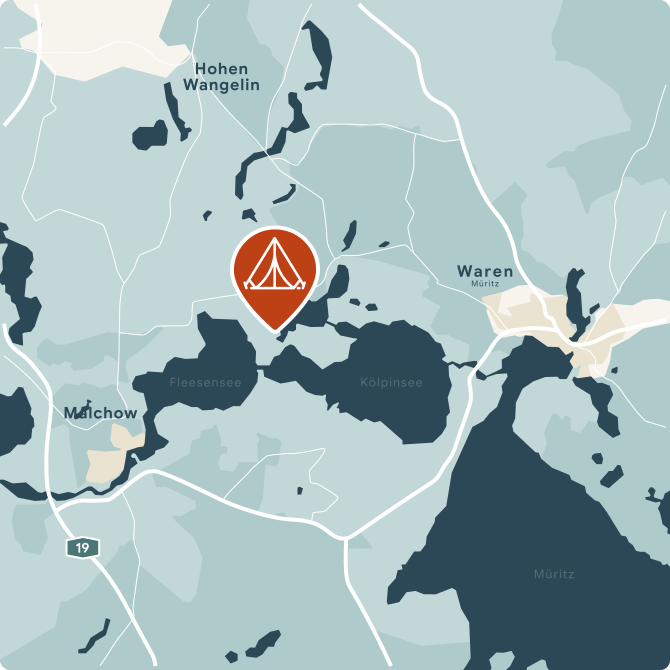
The Damerower Werder lies practically on our doorstep: Genuss-Ferien sits on the Jabelscher See directly opposite the bison peninsula in the Kölpinsee. The canoe for the tour to Europe’s giants waits at our own jetty.
Bison in the morning, a natural beach in the afternoon, a campfire in the evening – that’s how a day trip becomes a whole nature weekend.
- 1.5 hrs
- from Berlin
- 2 hrs
- from Hamburg
- Directly
- on the Jabelscher See
Frequently asked questions about the Damerower Werder European Bison Reserve
More questions?
The European bison is the European relative of the American bison – a little longer in the leg, with a less massive forequarter and a more forested habitat. Both belong to the same genus and are the largest land mammals of their respective continents.
Since 1957. That makes the reserve one of the oldest bison conservation projects in Germany, and over the decades it has bred many animals for rewilding projects across Europe.
Daily during the season – the current feeding and opening times are published by the Landesforst MV at wald-mv.de. At the feeding show you experience the animals up close, so it’s best to plan your visit around it.
Admission is moderate, with a reduced rate for children. You can find the current prices on the website of the Landesforst Mecklenburg-Vorpommern at wald-mv.de.
Very much so: short paths, a viewing platform with a clear view even for the smallest visitors, and the impressive feeding show make the visit exciting for children of all ages – and educational on top of that.
Yes, both: from Jabel by bike in a good half hour along quiet paths – or in true style by canoe through the canal into the Kölpinsee, along the wooded shore of the peninsula.
No, we strongly advise against it – bison react sensitively to dogs. It’s better to leave your four-legged friend at your accommodation or with part of the family at the swimming beach for the duration of the visit.
With a bit of luck, yes – in the large forest enclosure or from the water between the trees. But you’ll experience the animals reliably and up close at the daily feeding show.